

Current issue

Kulkarni et al. demonstrate how electronic medical records can support research on type II diabetes management in India. Using longitudinal data from CHSS beneficiaries, they reconstruct ten-year histories for newly diagnosed patients and matched non-diabetic individuals. The study highlights EMR-based cohorts’ value for assessing diabetes risk, disease progression, excess morbidity, glycaemic variation, and community-level care while reducing research costs substantially.
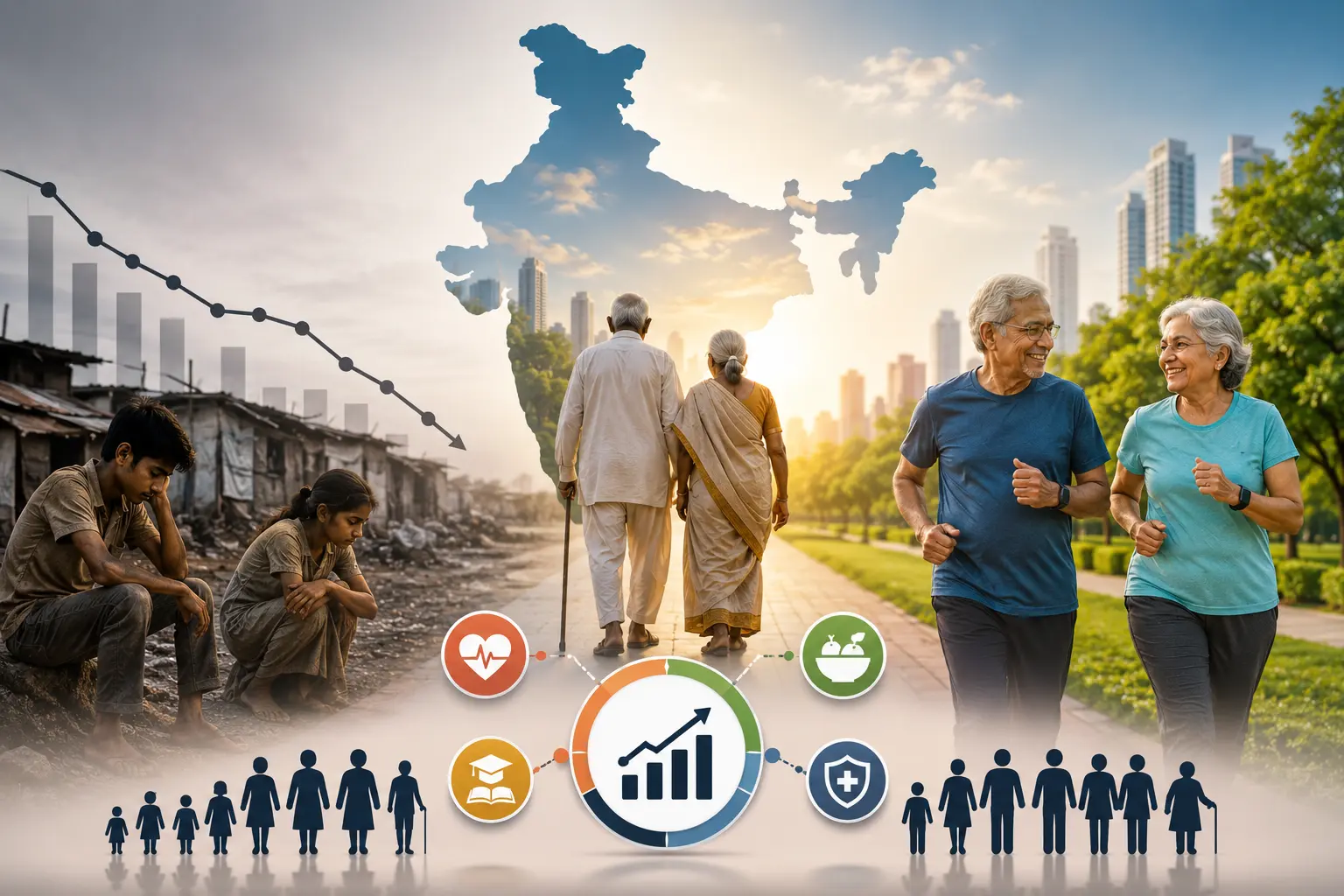
John et al. investigate unequal ageing experiences across socioeconomic groups in India using NFHS-5 data and period life table methods. They find substantial disparities in survival to age 60, with poorer households, Scheduled Tribes, and Scheduled Castes facing lower survival than richer and higher-caste groups. The study urges population ageing assessments to incorporate heterogeneous survival patterns and social inequalities systematically.
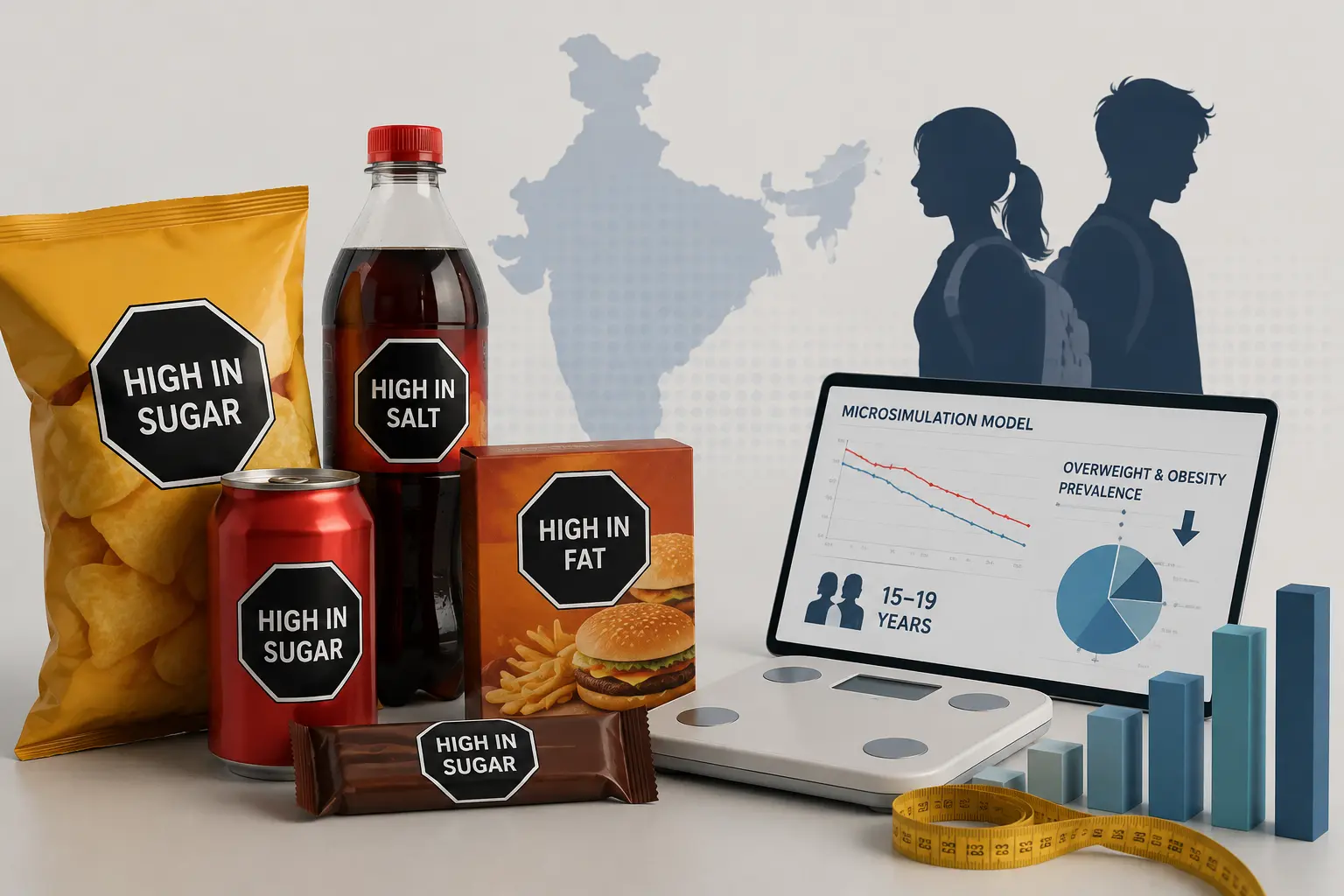
Kumar and Joe estimate the potential impact of Front-of-Pack Labeling on adolescent overweight and obesity in India. Using national nutrition survey data and dynamic weight- change modelling, the study projects reductions in calorie intake, obesity prevalence, and related disease costs. Findings suggest FOPL is a low-cost, high-impact policy, though estimates remain sensitive to modelling assumptions and limited context-specific available cost data.
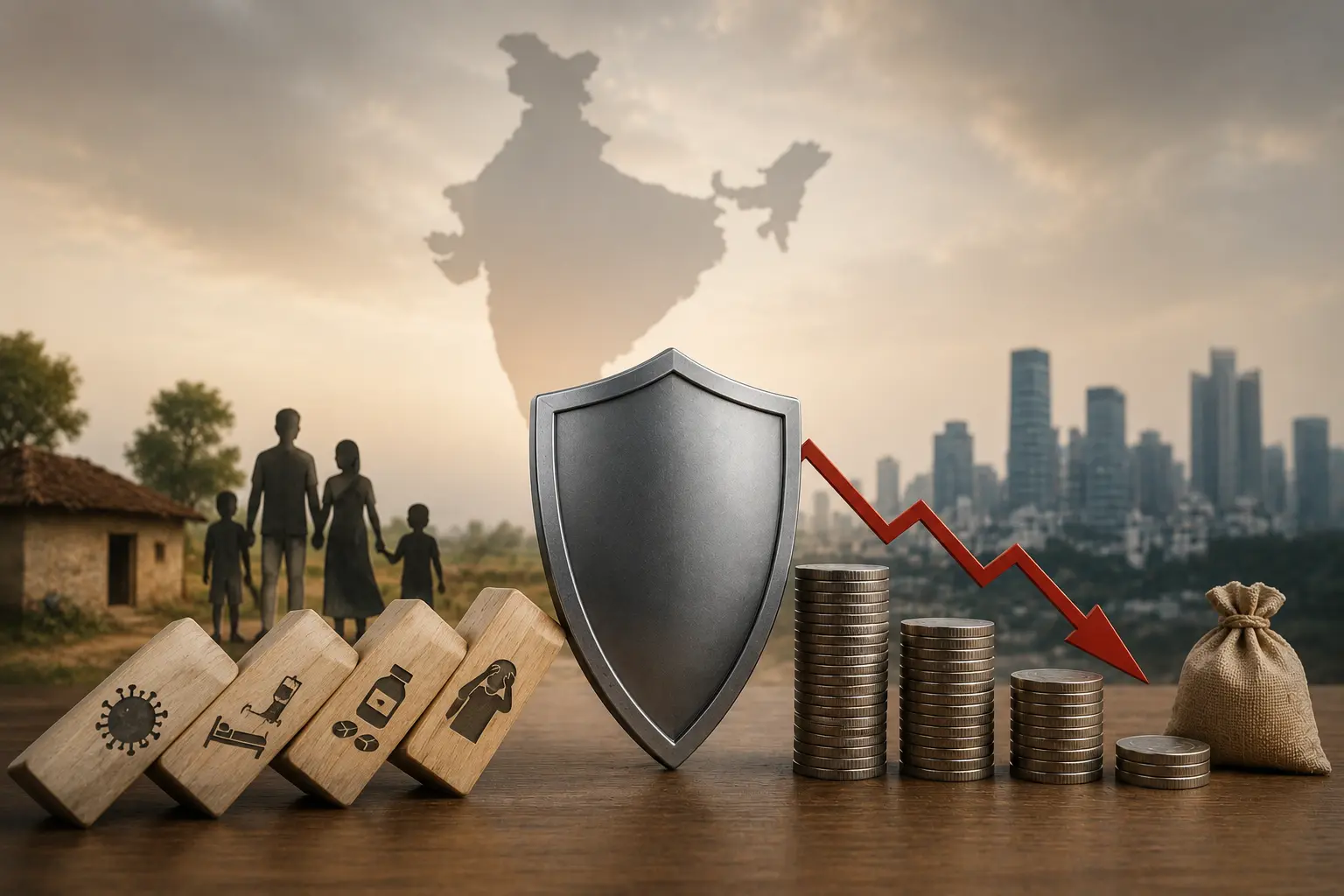
Dasgupta and Mukherjee examine whether health shocks increase Indian households’ vulnerability to future poverty. Using repeated household health surveys and feasible generalised least squares, they find persistently high vulnerability from 1995–2018, especially among rural, female-headed, poorly educated, uninsured, and unhygienic households. Unexpectedly, government-insured households remain more vulnerable, supporting broader insurance, sanitation, education, and poverty-reduction measures to address future welfare losses.

Rinju examines how parental migration affects child nutritional outcomes in India. Using NFHS-4 data, anthropometric indicators, regression analysis, and propensity score matching, the study finds migrant children, particularly in urban areas, generally experience lower risks of stunting, wasting, and underweight. Household wealth, parental education, and regional disparities strongly shape outcomes, highlighting migration’s varied nutritional effects across diverse Indian socioeconomic contexts.
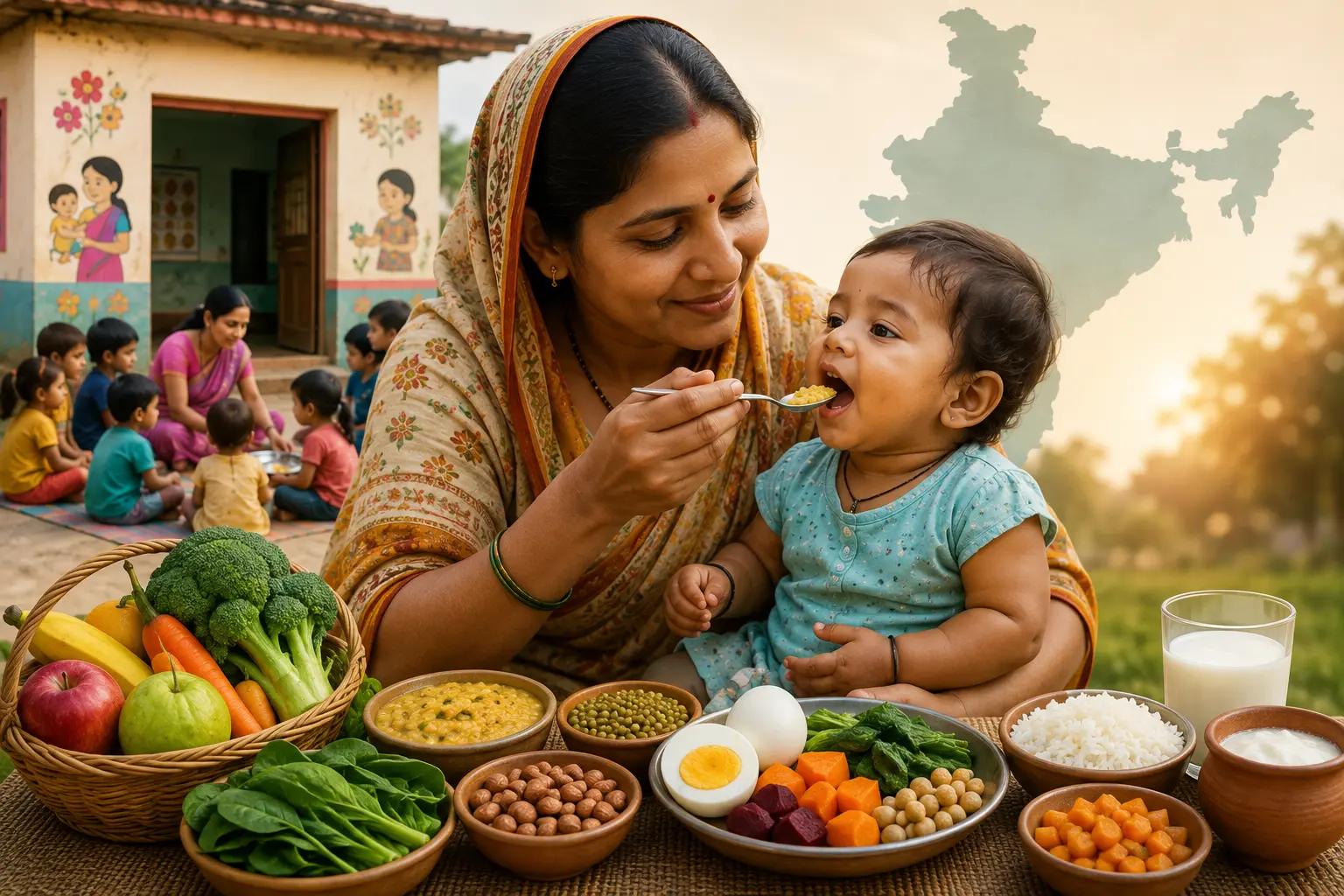
Singh examines whether the Supplementary Nutrition Programme under ICDS improves minimum dietary diversity among Indian children aged 6–23 months. Using NFHS-5 data, logistic regression, and propensity score matching, the study finds regular supplementation increases dietary diversity, especially among rural, poorer, and EAG-state households. However, effects vary across states, highlighting uneven nutritional benefits and programme implementation across India.
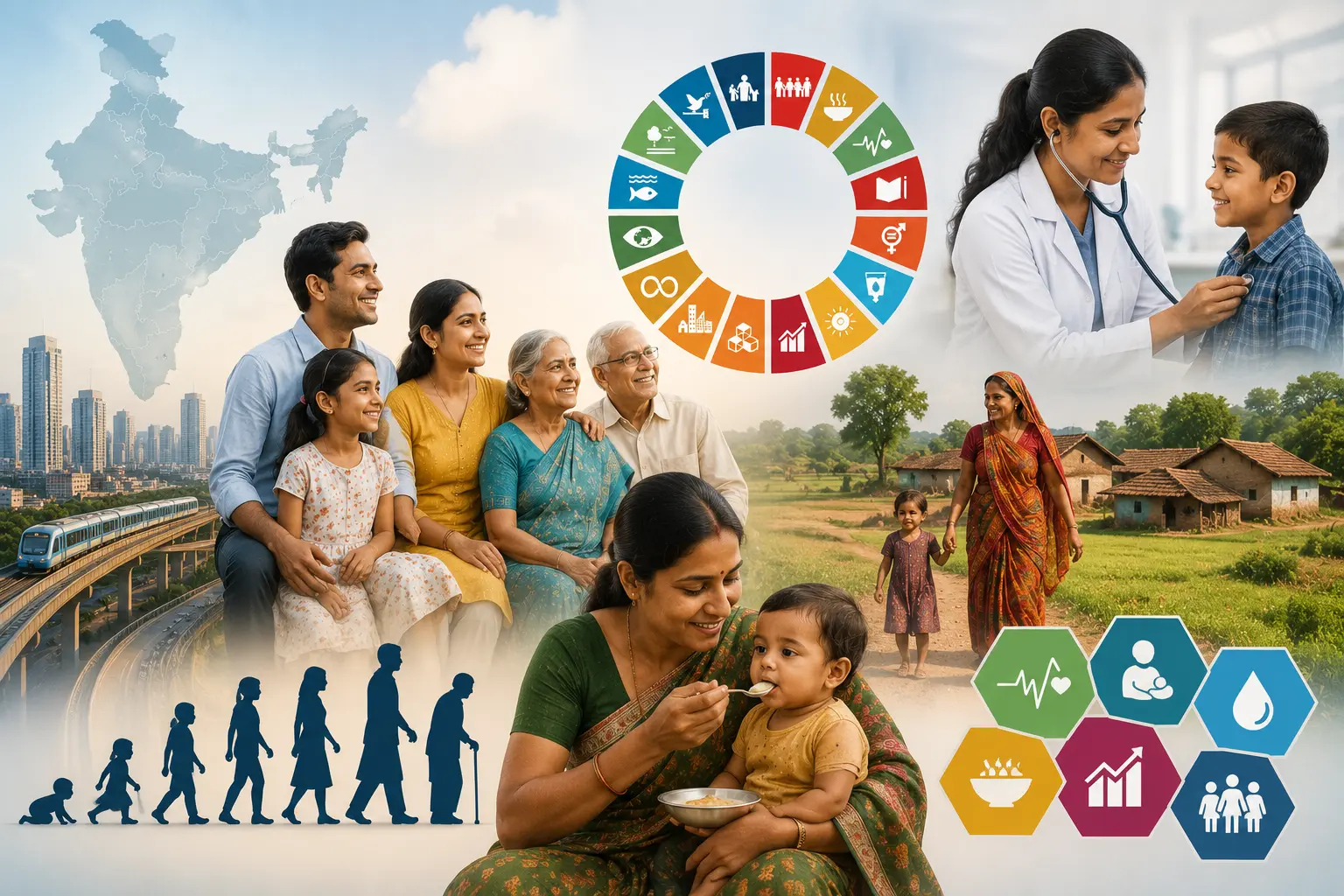
Sethy and Das present a book review of Paradigm Shifts in Population and Health in India, highlighting its assessment of India’s progress towards the Sustainable Development Goals. They commend its focus on social determinants, marginalized populations, methodological diversity, and critical discussion of digital health policies, while noting that several policy recommendations lack adequate theoretical grounding and practical development for implementation.