

Current issue

Ahluwalia et al. analyze the sharp decline in India’s Multidimensional Poverty Index, driven largely by reductions in poverty headcount (incidence) rather than intensity. Despite progress, the study highlights persistent inequalities, identifying nutrition as the single largest contributor to deprivation. The findings point to continued vulnerabilities among Scheduled Tribes and children, necessitating targeted social inclusion policies.

Bhowmick and authors investigate the epidemiology of obesity in India, revealing a distinct socioeconomic gradient where prevalence is highest among the wealthy, urban residents, and those with higher education. Notably, the study finds a significant gender disparity, with women facing higher obesity rates (19.2%) compared to men (16.8%). The findings emphasize the need for policy interventions tackling the "obesogenic" environment.

Rohilla utilizes the Malmquist Productivity Index to compare firms in India (2001-2020), revealing that foreign direct investment significantly boosts productivity. While foreign firms adapted better to technical progress, the sector witnessed an overall regression in efficiency, suggesting that despite technological gains, many domestic firms struggle to maximize the benefits of this knowledge-intensive landscape.
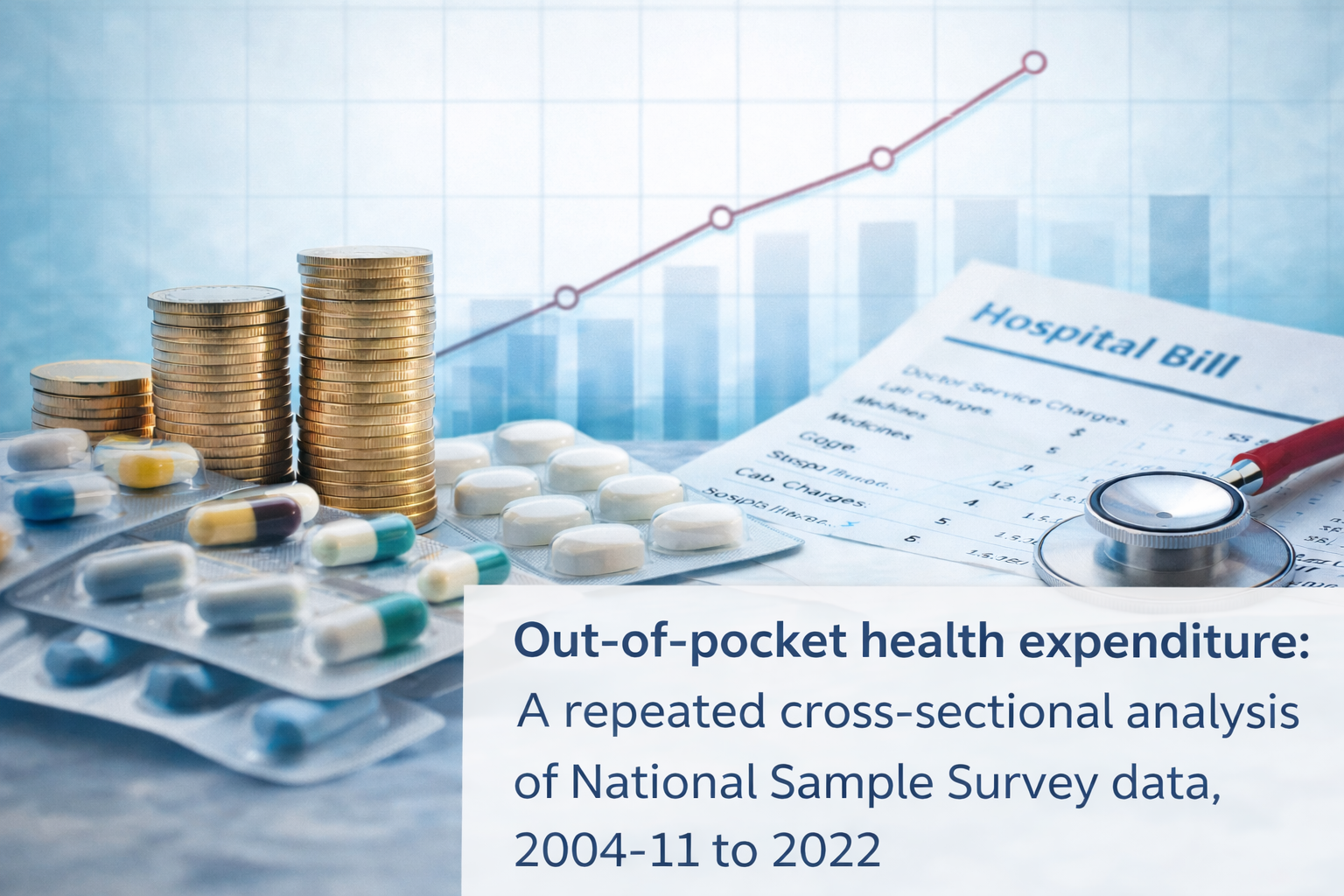
Kumar analyzes trends in out-of-pocket and catastrophic health expenditure in India using National Sample Survey data from 2004–2022. The study shows that while the share of medical spending has marginally declined, catastrophic expenditure remains persistent, disproportionately affecting SC, OBC, casual labor households, and higher consumption groups, underscoring gaps in financial protection despite policy efforts.
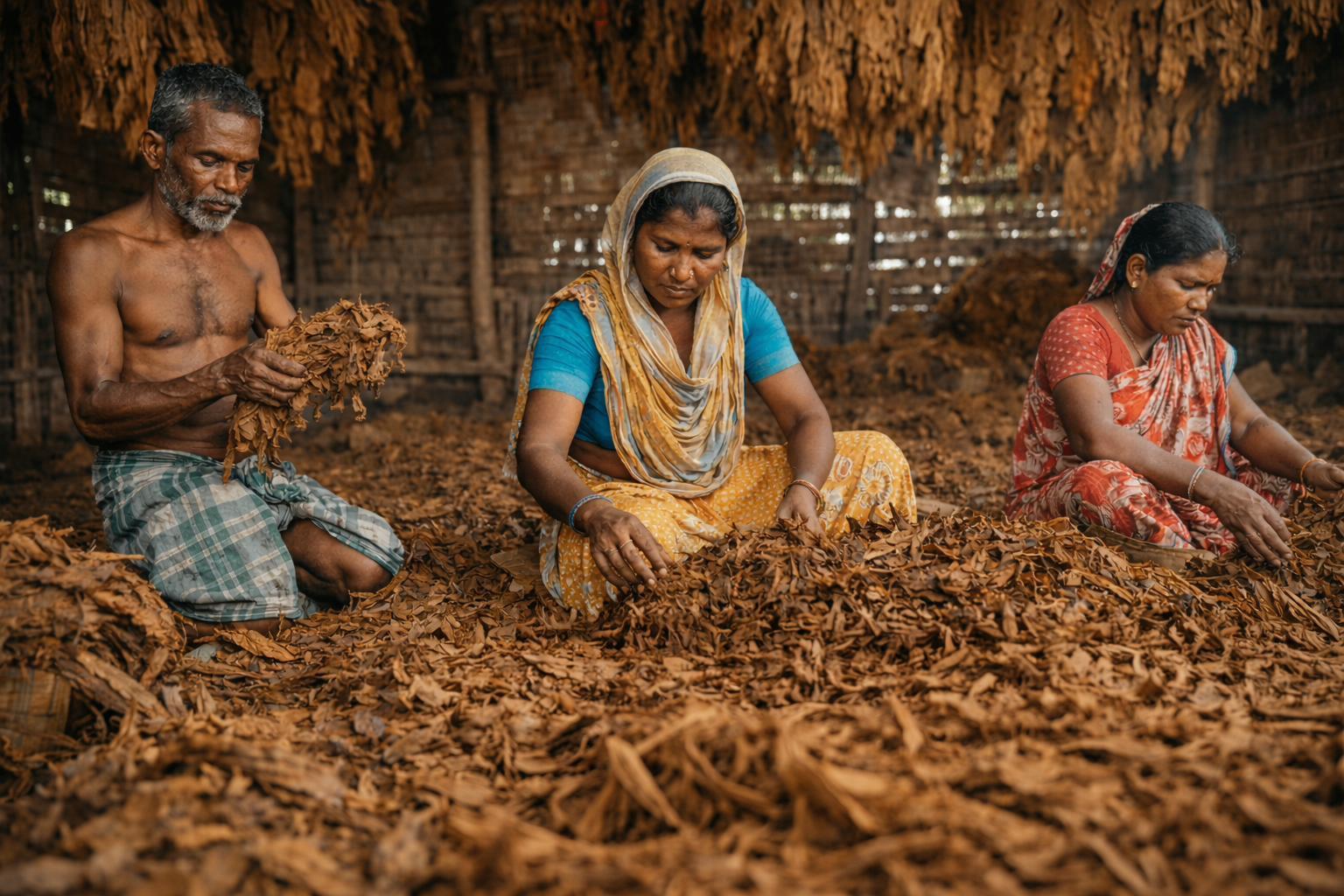
Nayak et al. examine the livelihoods, working conditions, and health status of tobacco processing workers across five Indian states using primary survey data. The study highlights poor working environments, limited social security coverage, widespread self-reported illness, and low job satisfaction, underscoring the urgent need for policy intervention and alternative livelihood pathways for workers in this largely informal sector.
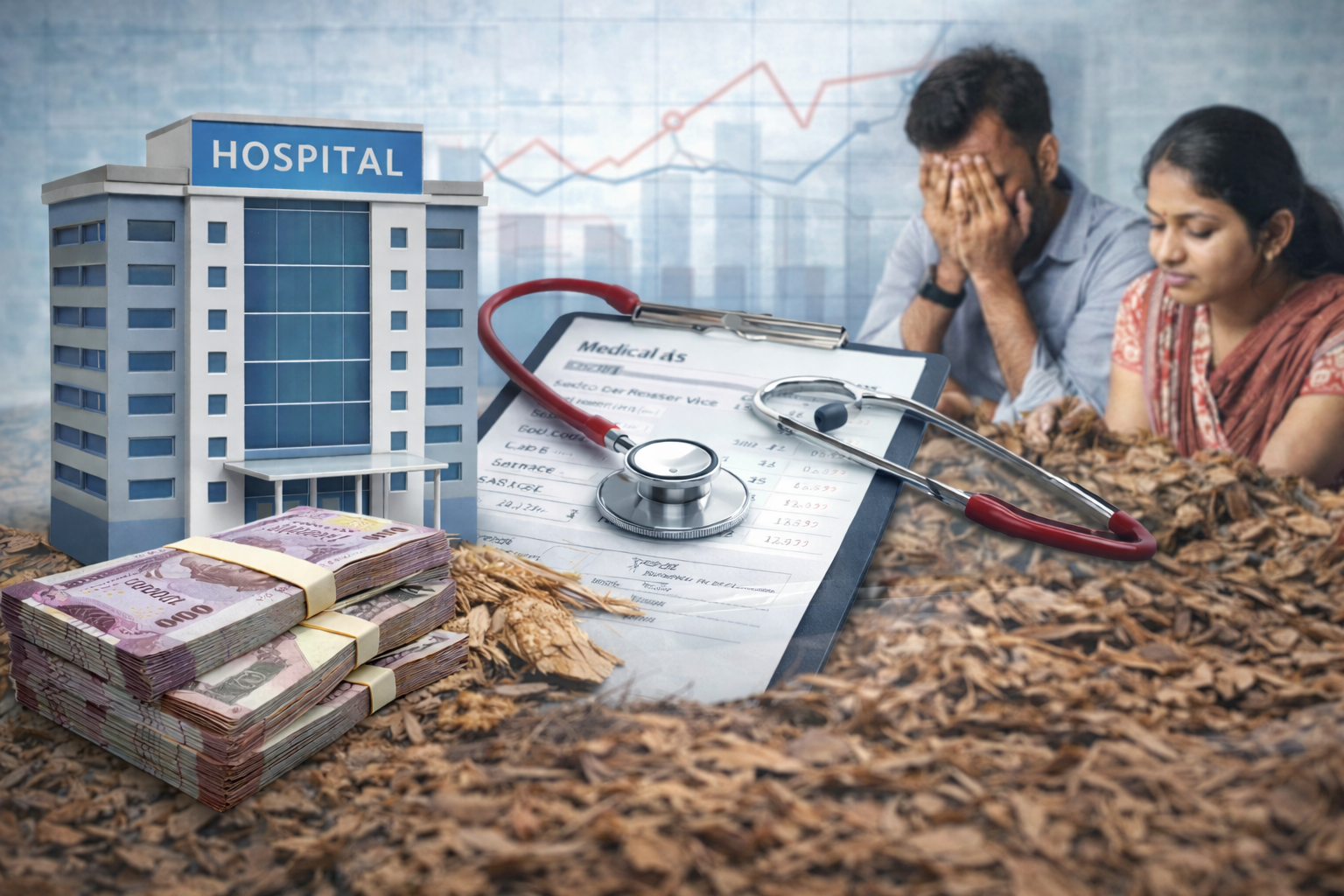
Rajpal et al. examine the prevalence and socioeconomic patterns of distress financing for hospitalization in India using NSS 2017 - 18 data. The study finds that nearly half of inpatient care relies on borrowings or asset sales, with higher vulnerability among poorer households, rural populations, and cancer patients, highlighting persistent gaps in financial protection despite health policy efforts.